|
TRAVEL SPIRIT INTERNATIONAL | Home - About Us - Contact Us - E-mail - Query |
Translate:
 French
| French
|  Español
| Español
|  Italiano
| Italiano
|  Deutsch
| Deutsch
|  Português Português
|
 |  |  | |  | |  | |  | |  | |  |
 About India
 |
Chain Hotels |
Madhya Pradesh |
Rajasthan |
Luxury Train |
South India |
North East India |
| Distance Calculator || Currency Converter || Weather Information |
 |
Tribal Tours |
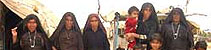
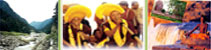
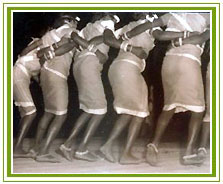 The
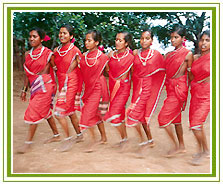
major tribes of Madhya Pradesh are Gonds, Bhils, Oraons, Korkens, and Kols. The
tribal culture of Madhya Pradesh is mixed with traces of the Dravidians, the Mundas
and the Scythians. The state presents in all a varied matrix of tribal culture
ranging from animists and fowlers to advanced cultivators and factory workers.
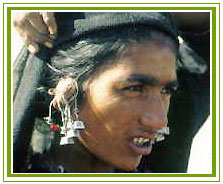
The
major tribes of Madhya Pradesh are Gonds, Bhils, Oraons, Korkens, and Kols. The
tribal culture of Madhya Pradesh is mixed with traces of the Dravidians, the Mundas
and the Scythians. The state presents in all a varied matrix of tribal culture
ranging from animists and fowlers to advanced cultivators and factory workers.

| - Chain Hotels - | - Madhya Pradesh - | - Rajasthan - | - South India - | - North East India - |
| -
Oberoi Hotels- Sheraton
Group- Taj
Group-
more....... | -
Information-
Cities- Madhya
Pradesh Tour- more.......
| -
Information- Cities
of Rajasthan- Tour
Packages- more.......
| -
Tamil Nadu Cities -
Kerala Cities -
Karnataka Cities -
more....... | -
North East Monastries -
North East Toy Train
- North
East Cities-
more....... |
| - Adventure - | - Golfing - | - Tribal Tours - | - Pilgrimage Tours - | - Family Holidays - |
| - Adventure
Activities- Area
Information- Ladakh
Tour Packages - more....... | -
Information of Golfing-
Golf Courses in India-
Tour Packages - more....... | -
Orissa Tribals-
Madhya Pradesh-
Tribal Tour Packages-
more....... | -
Do Dham-
Char Dham- Vaishno
Devi Tour - more....... | -
Holidays Options-
Children Places - more....... |
| - Business Stop Overs - | - Wildlife in India - | - Luxury Train - | - Agra & Taj Mahal - | - Ayurveda & Yoga - |
| -
Introduction-
Information on Metro-
Short Tours -
more....... | -
Wildlife Parks in India- Wildlife
Resorts in India- Wildlife
Tours-
more....... | -
Palace on Wheels-
Royal Orient-
Deccan Odyssey-
more....... | -
Information About Agra-
Places of Interest Agra-
Tour Packages-
more....... | -
About Ayurveda-
About Yoga-
Kerala Ayurveda Tour -
more....... |
| Distance Calculator || Currency Converter || Weather Information | ||||
| Home - About Us - Contact Us - E-mail- Query About India || Eco Tours | ||||
| Secured
Payment System (128 Bit Encryption) of ICICI Bank, which is certified by "Veri Sign" - the symbol of security 
| Our
Address : Travel Spirit International Travel Agent & Tour Operators Address : 2nd Floor, Taneja House, I - 84 Lajpat Nagar - 2nd, New Delhi - 110024, India Telephone : +91-11-2981 2200, 01, 02, 03, 04 Fax No: +91-11-2981 2211 & 2213 | Our
Network Sites : - Spa Resorts India - Travel In Rajasthan - India Wildlife and Adventre - Delhi City Hotels - Incentive Tours India (upcoming) |
| Copyright Travel
Spirit International ( Travel Agent & Tour Operators ) Site Maintained by Compare Infobase Ltd. | ||